
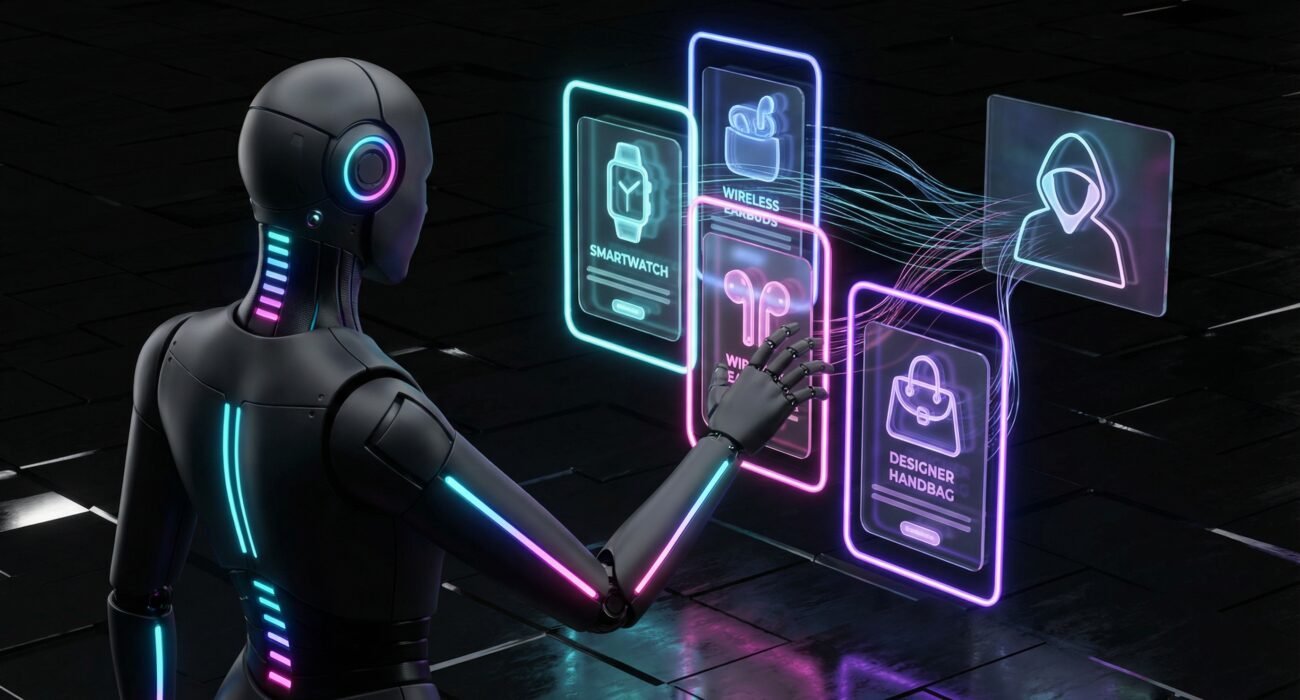
In 2026, “relevant advertising” is already considered outdated. Today’s customers don’t just want messages that match their interests — they expect brands to anticipate their needs, understand their current mood, and speak their exact language… sometimes before they’ve even realized what they want.
This isn’t science fiction anymore. AI-powered hyper-personalization has become the new standard — and the gap between early adopters and everyone else is growing fast.
What’s Actually Happening in 2026
-
Live Micro-Personas Replace Audience Segments Brands no longer market to “25–34 year-old females interested in wellness”. Instead, every single visitor gets a real-time, continuously updating micro-persona built from:
- Current emotional state (inferred from typing rhythm, emoji patterns, scroll speed)
- Immediate context (weather, time of day, location, recent calendar events)
- Cross-device behavior memory
- Multimodal signals (voice tone, image uploads, in-app gestures)
Result: a skincare brand can detect you just came back from a long flight, see your skin looks dehydrated in recent photos, notice you’re now in a dry climate — and offer you the perfect 3-day recovery routine before you even search for “post-travel skin care”.
-
Creative Generation Is Fully Individualized Pre-made banners, generic videos, and fixed copy? Mostly gone at the top level. Leading brands now run real-time generative creative engines that produce:
- Custom visuals matched to your personal aesthetic
- Tone of voice that mirrors how you speak/write
- Color palettes pulled from your saved content or past interactions
- Animation style and even background music tailored to your vibe
Every visitor can technically see a slightly (or completely) different version of the campaign. A/B testing has evolved into personal-level creative optimization.
-
Emotion-Responsive Experiences Modern AI reads subtle emotional cues in real time (with consent):
- Micro-expressions via front camera
- Voice energy and sentiment
- Text sentiment progression
- Wearable signals (when shared)
If you seem stressed, the experience becomes calmer — softer colors, slower animations, comforting language, self-care offers. If you’re excited and scrolling fast, the creative becomes bolder, more energetic, and slightly more urgent. Done right, it feels magical. Done poorly, it feels invasive.
-
Privacy-First Is the Only Path Forward Users in 2026 demand extreme relevance and strong privacy at the same time. Brands that survive (and win) are using:
- On-device AI processing (minimal data leaves the phone)
- Zero- and first-party data over creepy third-party tracking
- Transparent “what we know about you” dashboards
- Short-lived memory (data auto-expires after 7–30 days)
- Clear opt-in/opt-out controls
The winners are building deep trust + deep relevance simultaneously.
-
The New Metrics That Actually Matter Classic KPIs like CTR and ROAS are still tracked — but smart brands obsess over:
- Anticipation Hit Rate — how often the right offer arrives before the search
- Personalization Depth Score — how many real-time signals are actively used per user
- Emotional Resonance Speed — how fast the user emotionally connects with the message
- Choice Fatigue Reduction — fewer decisions = higher completion rate
- Repeat Purchase Without Incentive — customers returning naturally, no discount needed
The Big Picture in 2026
Personalization is no longer a campaign tactic. It is the entire customer experience.
Brands that continue sending the same message to everyone will quietly lose relevance. Brands that treat every single person like they’re the only one in the world — while respecting boundaries and earning trust — are creating almost unfair loyalty and conversion advantages.
The real question for every marketer and business owner right now is simple:
Will you let AI-powered personalization reshape your brand… or will you watch your competitors do it first?
The future of digital marketing isn’t about reaching more people. It’s about deeply connecting with the right person at the perfect moment.
Are you building experiences that feel “made only for me”? Or are you still marketing to “everyone”?
2026 is already here. The brands that understand this shift today will own tomorrow.